Greening Modern Cities Conference Brings International Experts Together in Białystok
The international conference “Greening Modern Cities – Green roofs and living walls in the context of urban adaptation to climate change”, organised by the Polish Green Roofs Association (PSDZ), took place on 19–20 May 2026 in Białystok, Poland, followed by a study tour on 21 May.
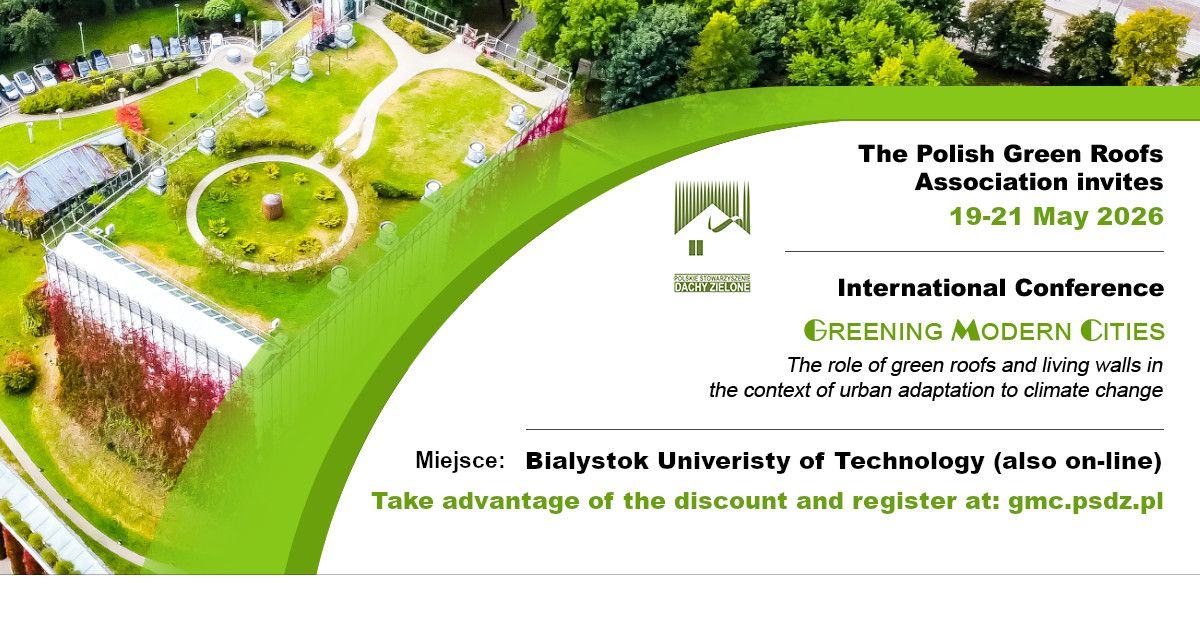 The conference gathered researchers, policymakers, municipalities, architects, urban planners and green infrastructure professionals from across Europe and beyond to discuss the role of green roofs, living walls and blue-green infrastructure in climate adaptation, biodiversity enhancement, water management and urban resilience. The event took place at the Białystok University of Technology and featured presentations from leading international experts representing universities, municipalities, industry organisations and professional networks.
The conference was opened by Marta Weber-Siwirska and brought together internationally recognised experts and municipal representatives from Poland, Belgium, Germany, Switzerland, the Netherlands, Mexico, Italy, Canada and the United States. Speakers included Luigi Petito (Belgium), Manfred Koehler (Germany), Stephan Brenneisen (Switzerland), Olyssa Starry (USA), Steven Peck (Canada) and Dhiru Thadani (USA). The programme covered topics including urban green infrastructure policies, biodiversity-focused roof design, blue-green infrastructure implementation, green building standards and innovative approaches to urban resilience.
The European Federation of Green Roof and Living Wall Associations (EFB) was represented by Vera Enzi-Zechner and Tetiana Konchenko, who contributed to the programme with presentations focusing on the future of nature-positive cities and multifunctional green roof solutions.
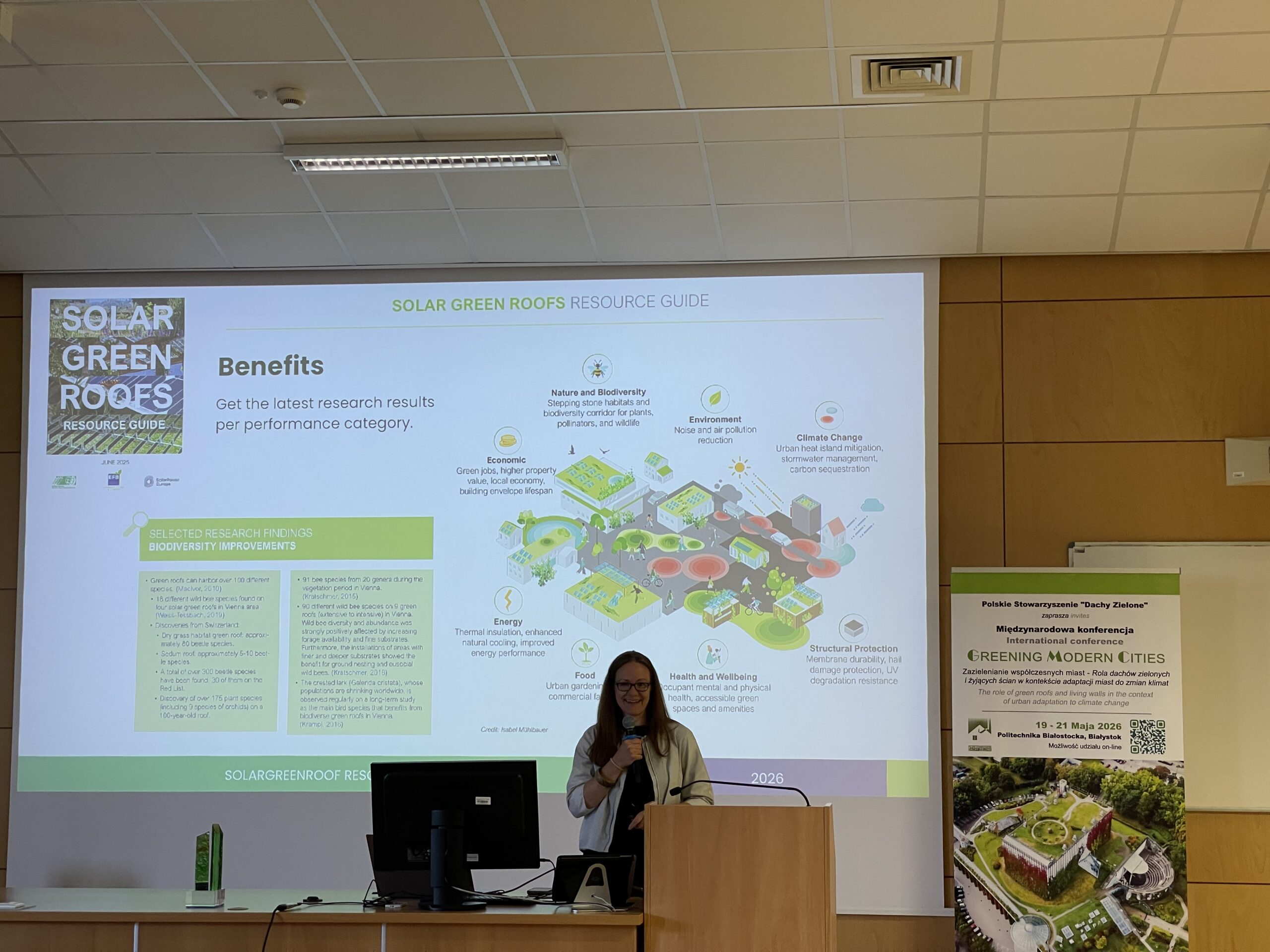
During the first conference day, Vera Enzi-Zechner presented “Solar green roofs – why do our cities need them?”, highlighting the importance of combining photovoltaics with vegetated roof systems to maximise climate adaptation, biodiversity, renewable energy generation and urban resilience benefits. The presentation also introduced the recently published EFB resource guide: Solar Green Roofs Resource Guide. The guide provides practical recommendations, technical considerations and international examples demonstrating how solar green roofs can support both climate mitigation and adaptation objectives.
 Luigi Petito’s presentation “Urban Green Infrastructures in Europe: navigating an evolving EU policy and regulatory landscape” explored the rapidly developing European framework linked to biodiversity, climate adaptation, sustainable construction and urban resilience. He presented the recently published Policy Implementation Guidance jointly developed by the World Green Infrastructure Network (WGIN) and EFB. The guidance document was developed to support EU Member States, regional governments and local authorities in translating European requirements into effective national and local policies for urban green infrastructure. The publication highlights practical pathways for integrating green roofs, living walls and blue-green infrastructure into urban planning, climate adaptation and biodiversity strategies.
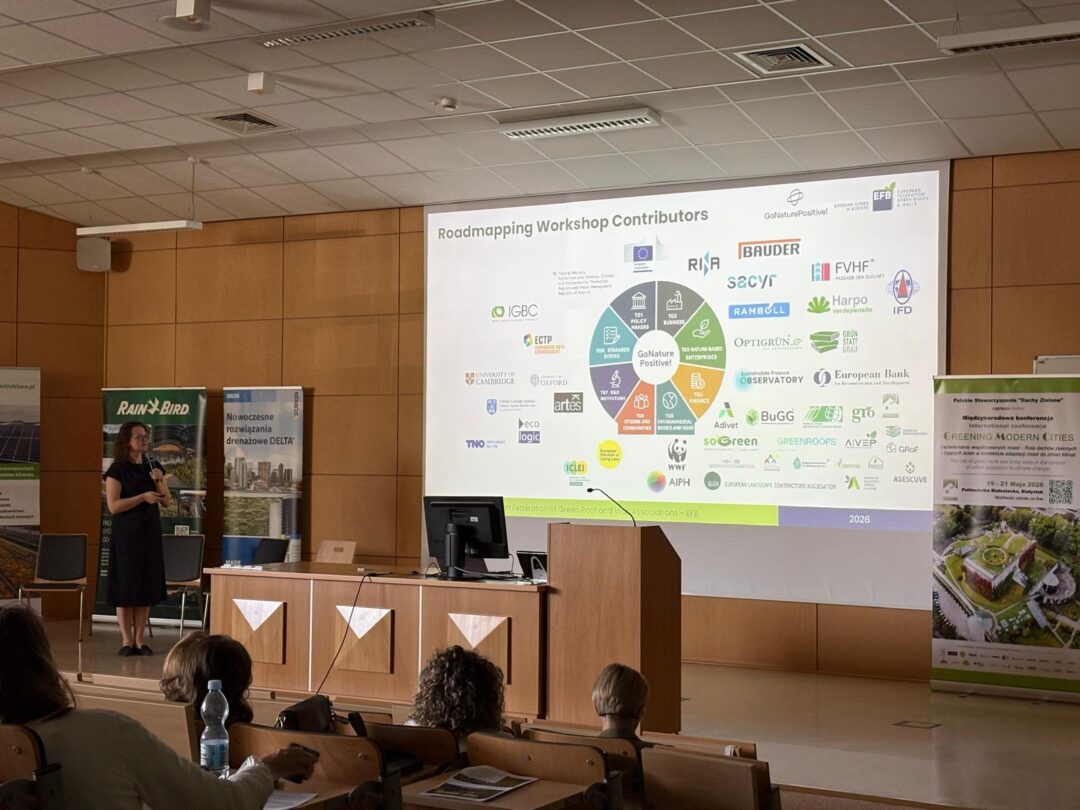
On the second conference day, Tetiana Konchenko presented “From vision to implementation: transforming the built environment towards a nature-positive model – the Industry Roadmap 2050 and Action Plans for Green Buildings”. The presentation introduced the work carried out within the GoNaturePositive! project, including the Industry Roadmap 2050 and Action Plans aimed at accelerating the transition towards nature-positive built environments across Europe. The presentation emphasised the need for stronger integration of nature-based solutions into policy frameworks, urban planning, financing mechanisms, professional training and implementation practices in order to achieve climate resilience, biodiversity restoration and healthier cities.
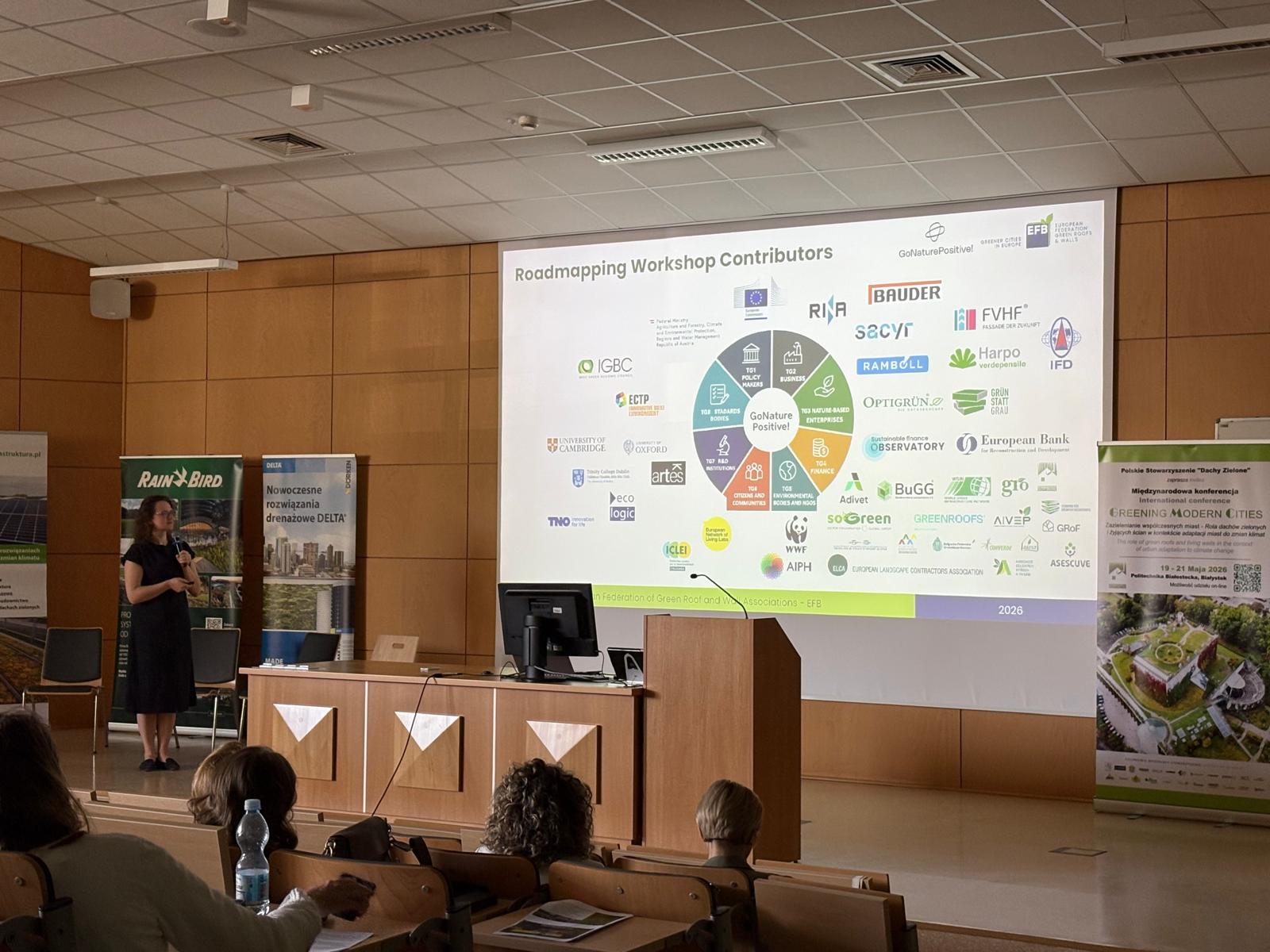 The GoNaturePositive! project attracted strong interest among conference participants, particularly regarding its focus on long-term transformation pathways for the building sector and practical actions supporting the wider uptake of green infrastructure solutions.
Discussions during the event highlighted the growing recognition that green roofs and living walls are no longer niche solutions, but essential components of sustainable urban development and climate adaptation strategies.
On the third day, participants joined a study tour showcasing practical examples of blue-green infrastructure and nature-based solutions in the Podlasie region. The programme included visits to the Podlasie Opera and Philharmonic, the University of Białystok Campus and the Protected Reserve Area of the Białowieża National Park. Participants also visited the European Bison Show Reserve in Białowieża, gaining insight into one of Europe’s valuable natural ecosystems and the importance of integrating biodiversity protection with sustainable regional development.
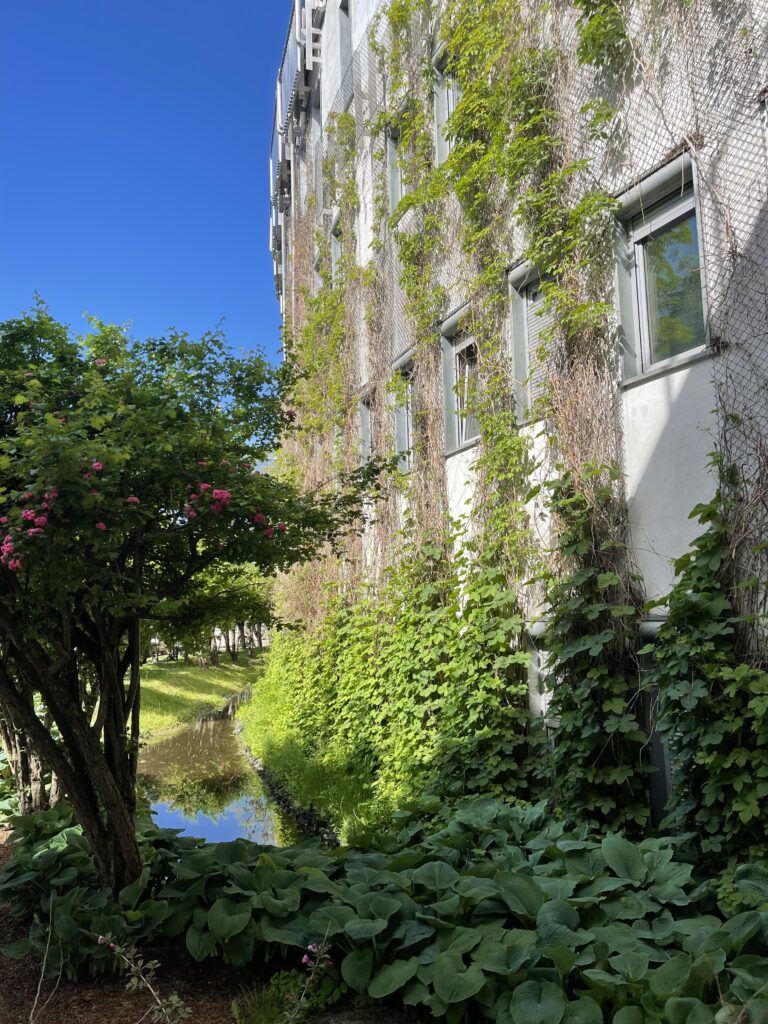
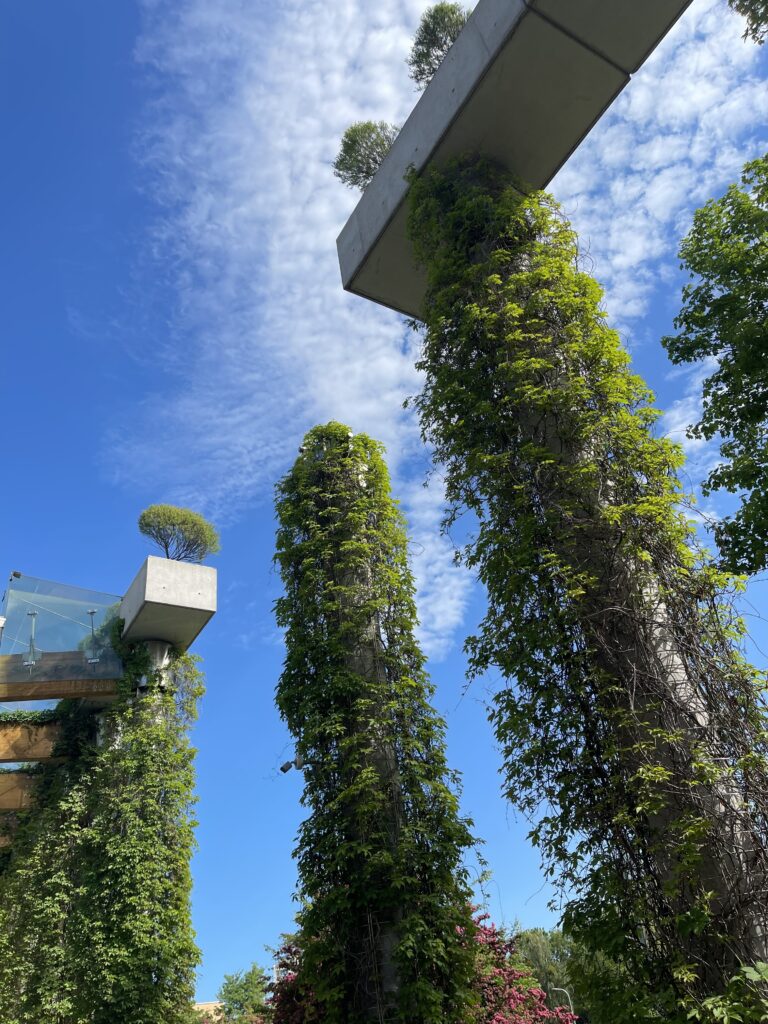
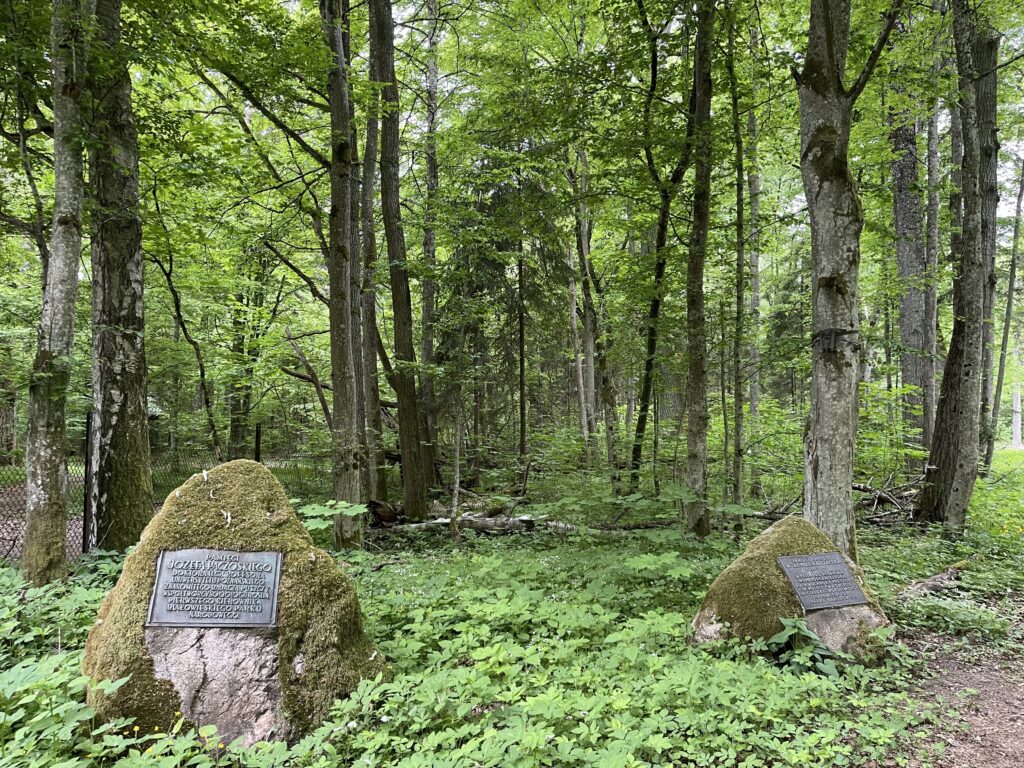
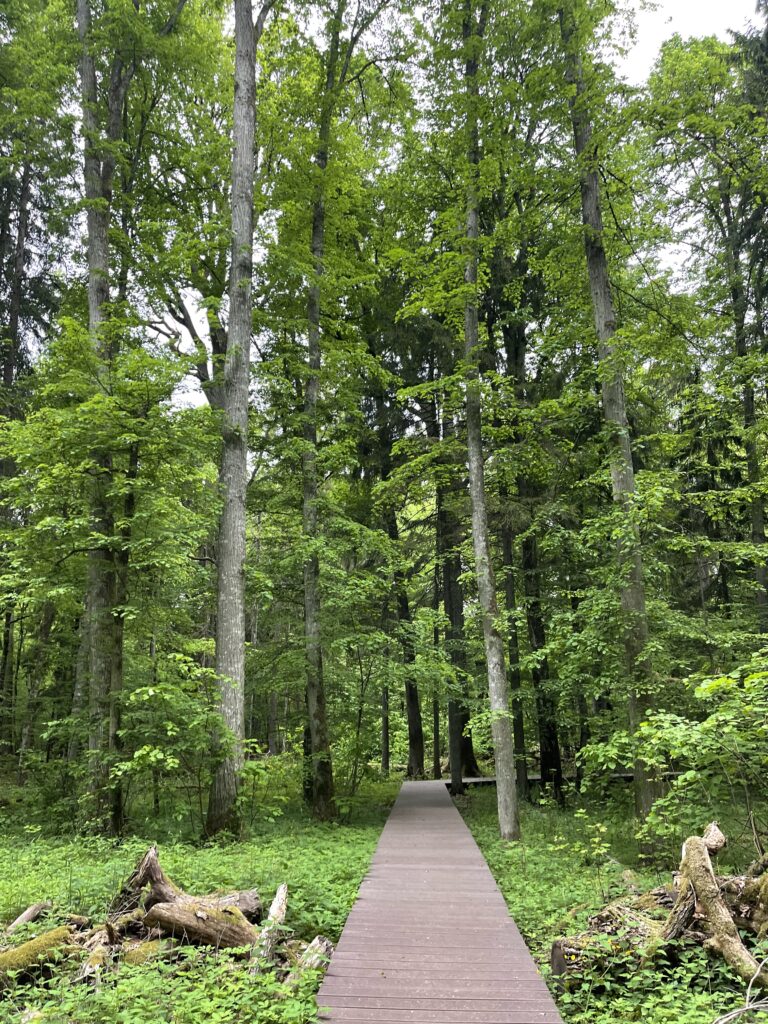
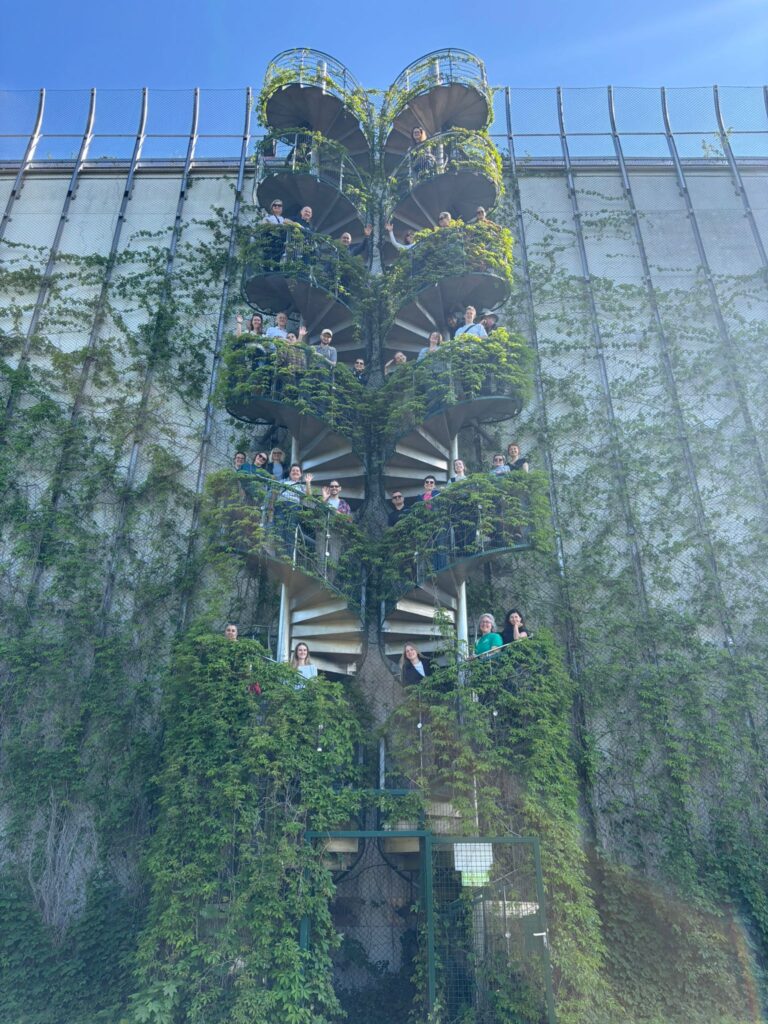
The study tour provided valuable opportunities for networking and knowledge exchange among international participants while demonstrating how nature, architecture and urban development can coexist through thoughtful planning and long-term environmental strategies.
EFB would like to thank the Polish Green Roofs Association (PSDZ) for the excellent organisation of the conference and for creating an important platform for international dialogue on the future of green infrastructure and climate-resilient cities.